

“Aviation was founded by adventurers and engineers. When commercial aviation emerged, they were joined by the bureaucrats.”
Aviation has always been technology-driven. Engineers delivered the fundamental innovations that let us design, build, and fly aircraft. In the 1980s, Airbus launched Research & Technology programs that became the industry’s innovation engine—developing fly-by-wire systems, blended wing zero-carbon aircrafts, and lighter materials.
But here’s the problem: R&T innovations don’t create passenger value.
When Airbus asked interior suppliers to innovate in the 2010s, engineering-led suppliers defaulted to technology push. I inherited projects exploring exotic materials and technologies–like the electrical supported Trolley in the visual-with no clear path to value creation. I had to kill them all.
This wasn’t the innovation aviation needed. After airline deregulation in 1978, low-cost carriers turned aviation into a commodity. In commoditized industries, innovation is either a race to the bottom or differentiation through services and experiences.
The industry’s structure makes a more integrated response more difficult. The 1950s Air Transport Association (ATA) chapters—like Lego blocks for aircraft parts—created supplier silos. Each company optimized their ATA chapter without thinking beyond physical interfaces. Even when suppliers merged into large equipment companies, engineering teams for different products shared a daily coffee but never collaborate.
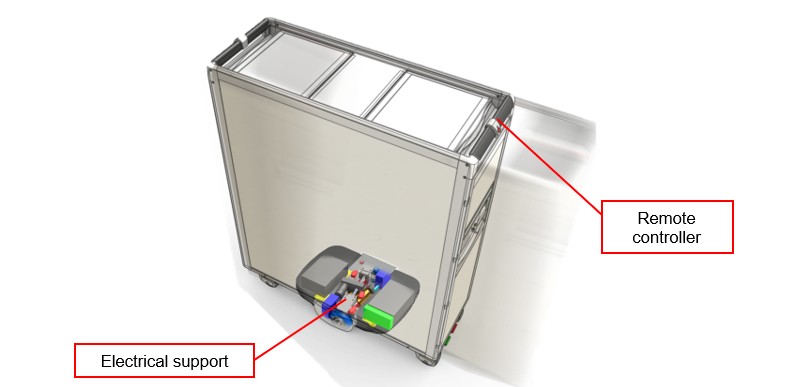
The bureaucrats—as certification engineers call themselves—arrived after accidents with passenger casualties, creating safety requirements for crash situations. As important as this is, it built a fundamentally risk-averse industry, creating a paradox: innovation requires risk-taking, but aviation punishes it.
The exception proves the rule: The most valuable passenger innovation of the late 90s was seatback In-Flight Entertainment and Connectivity (IFEC) —tech push that enhanced the travel experience and created airline value.
Today’s connectivity innovations are preparing the next leap forward. With sensors and IoT, the standalone ATA chapters can become smart, integrated systems creating value before, during, and after a flight. But this challenges everything—from engineering teams to certification, from sales to innovation—because digital-enabled experiences require knowledge beyond what aircraft manufacturers and suppliers possess about services, processes and experiences. But when we can link technology to needs magic happens!
Next up part 2: Airline Labs.
Hi, this is a comment.
To get started with moderating, editing, and deleting comments, please visit the Comments screen in the dashboard.
Commenter avatars come from Gravatar.